The book as a trendy cultural artefact
How lifestyle brands are supporting the book industry – and benefiting from it – through library pop-up shops
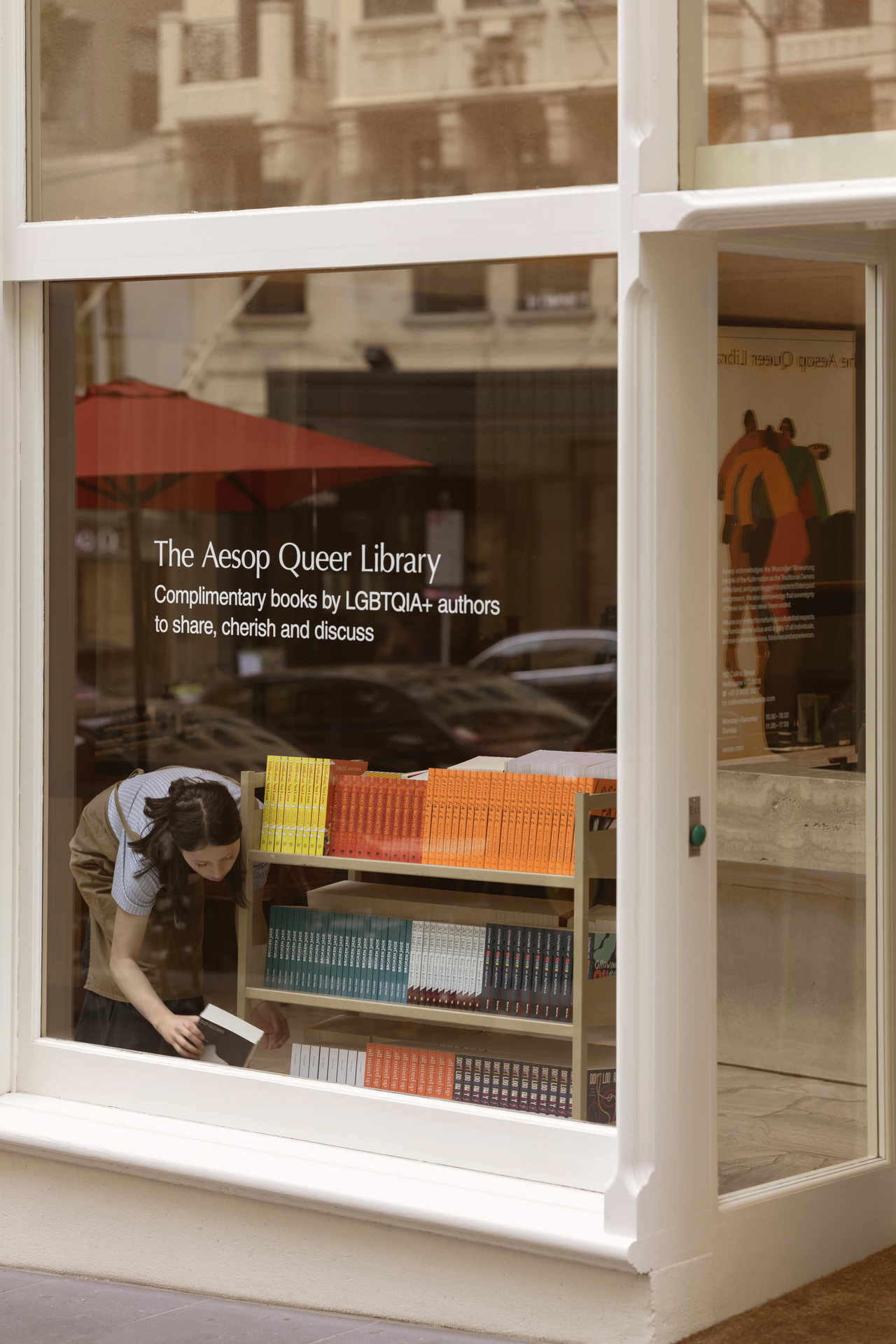
Anyone who has been keeping an eye on international cities over the past few months will have noticed that, in many shop windows, books have suddenly replaced beauty products: outside the shops of Aesop People queued for hours – not for a new perfume, but for a free book. And in the pink reading corners of the clothing retailer Acne Studios featured the fashion world in one of its own in-house culture magazines. What at first glance appears to be a PR stunt is in fact a new trend in cross-media collaboration with the book industry, which is also being embraced by the Daily newspaper “Die Welt” recently analysed: Major lifestyle brands are collaborating with publishing houses and bookshops alike, and are discovering the printed book as a new cultural asset for their target audience. What is behind this trend?

Published: 10 September 2026 | Photo / Video: Aesop, Acne Studios | AI-generated translation
The phenomenon of ‘brand intellectualism’
The fact that the luxury industry is discovering the printed word is nothing new. However, what is currently on display in major cities around the world is redefining traditional cultural sponsorship: retail spaces are merging with literary institutions, thereby entering the book market directly. This trend is no longer purely about marketing, but a highly strategic PR phenomenon, also known as ‘brand intellectualism’. For publishers and high-street bookshops, this means that the book is being showcased by players from outside the industry as a new and attractive status symbol.
Initiatives to promote greater acceptance and a sense of belonging
The Australian cosmetics brand Aesop, for example, removes all bottles and creams from the shelves of its shops as part of its annual ‘Queer Library’ initiative, just in time for Pride Month in June. In Germany, this global initiative has already been hosted in the flagship shops in Berlin and Munich. For a few days, the upmarket retail spaces are transformed into dedicated, temporary book collection points. Visitors can drop by without any obligation to buy, browse the selection and take home a book by an LGBTQIA+ author completely free of charge. Given the limited selection of books, this is unlikely to pose any competition to bookshops. To manage the global logistics of these huge quantities, Aesop works closely behind the scenes with publishing houses such as, amongst others, Penguin Random House or Faber & Faber have joined forces to offer a curated selection of classics and modern bestsellers. Since its founding in 2021, the ‘Aesop Queer Library’ has become a much-loved annual event and has distributed more than 115,000 books worldwide.
By the way: According to Aesop, the next Queer Reading Room will take place at the Aesop store on Kurfürstendamm in Berlin from 22 July to 25 July 2026 – that’s next week. 1,400 books are set to be made available.
Label as an independent publisher
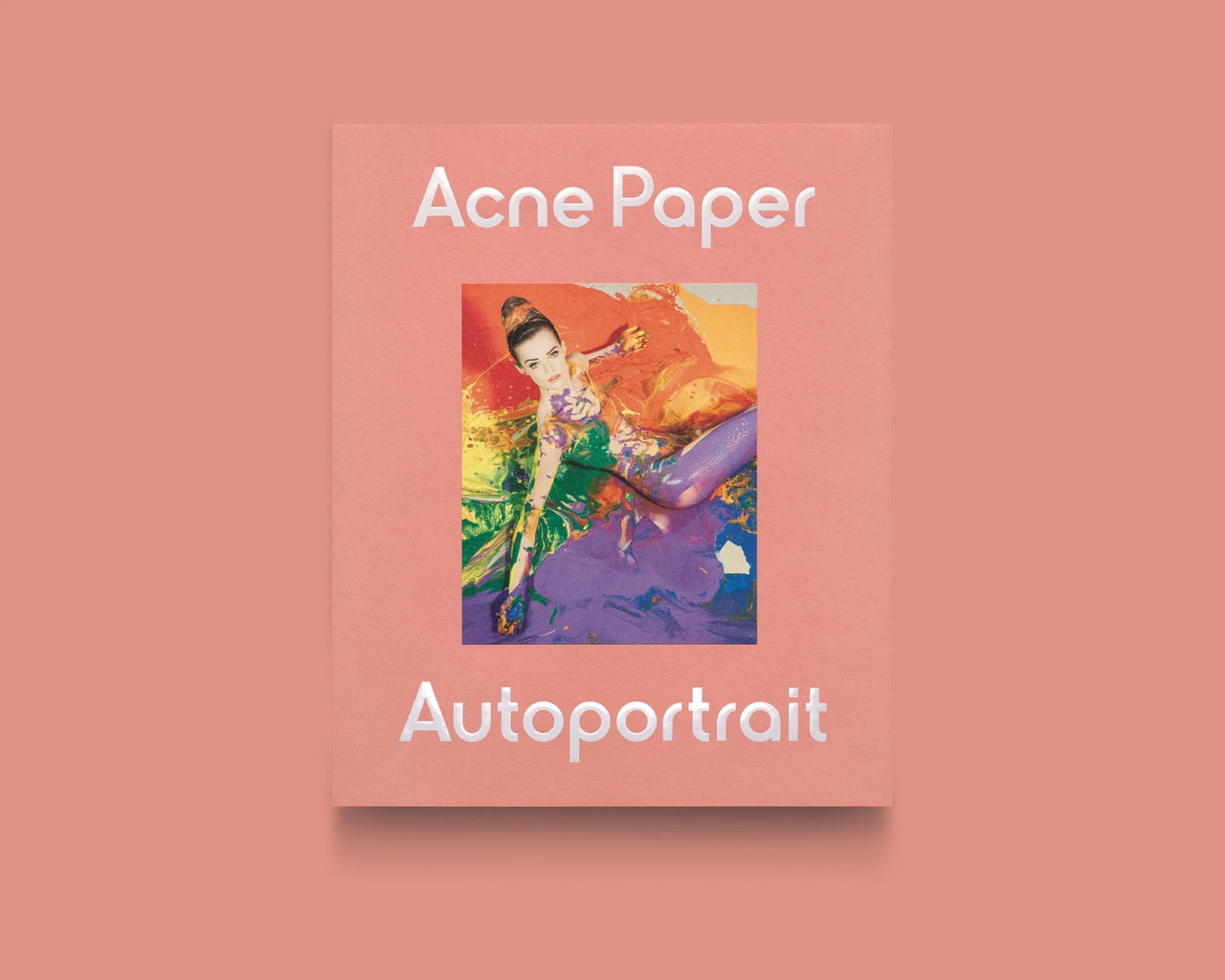
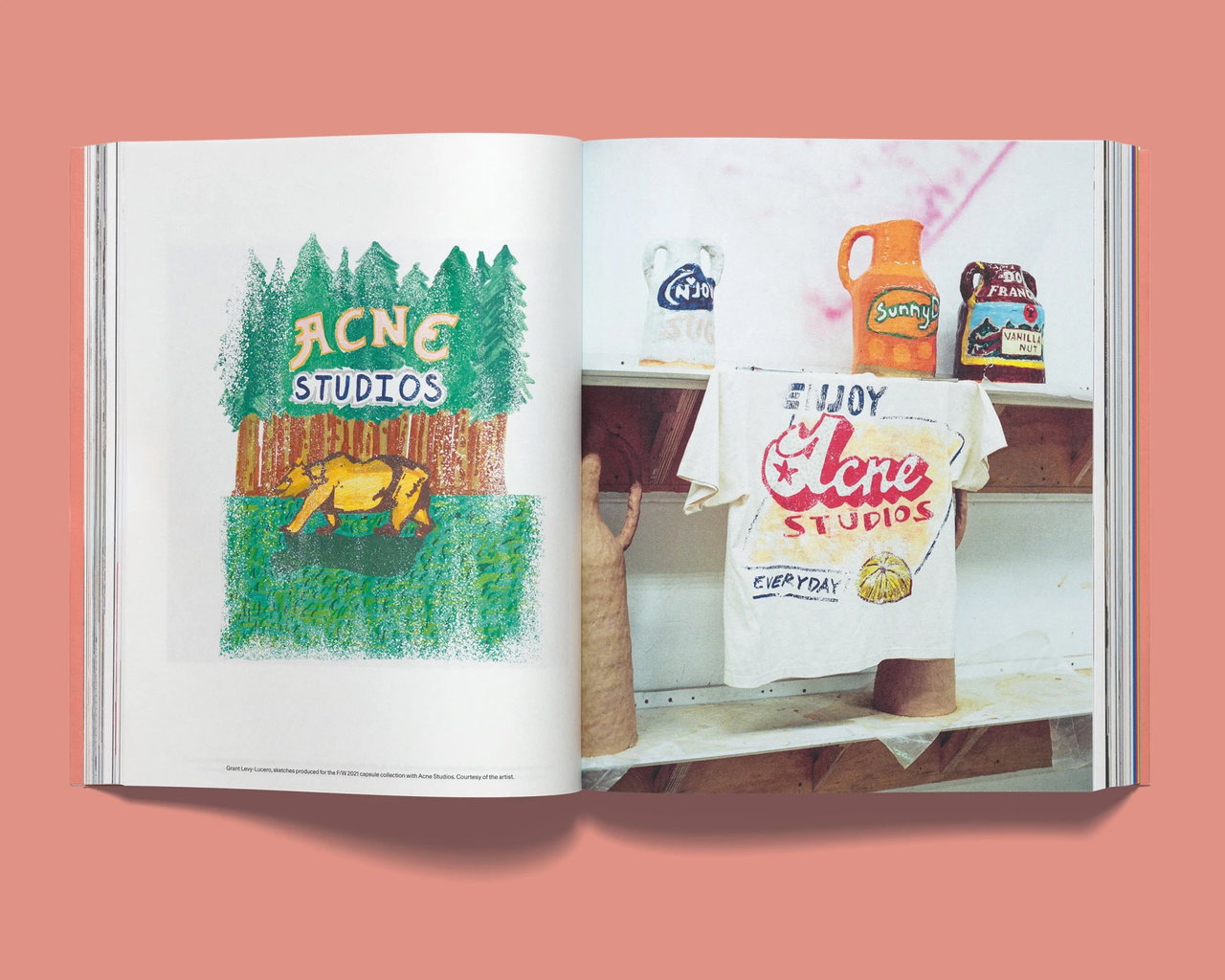
The Swedish fashion brand Acne Studios is taking a completely different, yet equally creative, approach. Instead of buying and giving away books, the luxury label acts as an independent publisher in its own right. Its core product is the large-format cultural magazine ‘Acne Paper’. This is not a traditional fashion catalogue, but an art and literature journal packed with essays, photographic art and philosophy, which is distributed through specialist independent bookshops. The launch of new issues is accompanied by temporary ‘Pink Libraries’ in urban spaces – reading rooms decorated entirely in pink, complete with armchairs and sofas, where visitors can linger and read the publications.
The book: between status and culture
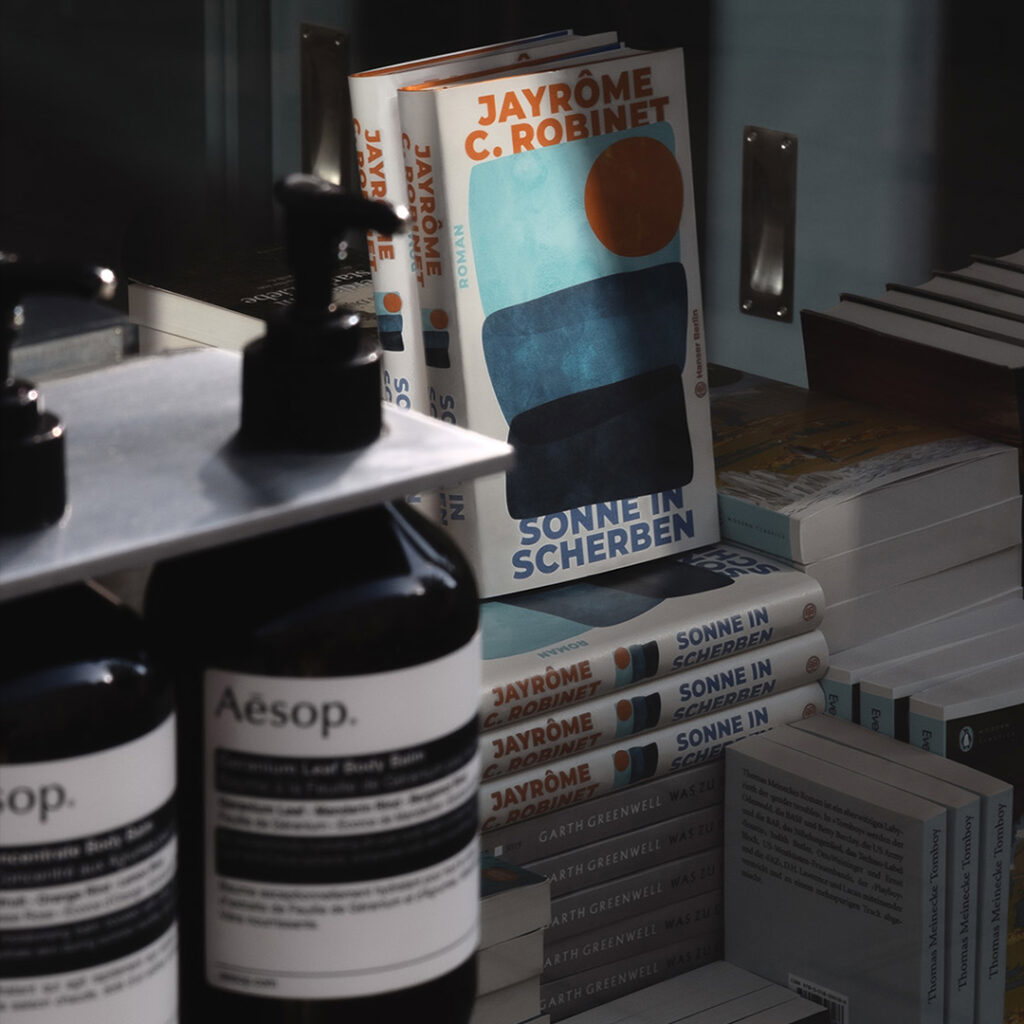
Of course, as an observer of the book industry, one is entitled to be sceptical. There may be an undertone of ‘culture-washing’ when literature is transformed into an aesthetic backdrop for luxury products. Yet if you look more closely, you’ll recognise in this trend a surprisingly fair, forward-looking and mutually beneficial ecosystem. There are genuine collaborations and real revenue for the book industry: Aesop does not simply reprint the works itself, but sources large logistical consignments through established publishing partners and purchases additional stock directly from independent, local bookshops. Acne Studios, on the other hand, demonstrates with *Acne Paper* that print journalism can survive when it is presented as a high-quality cultural artefact.
Reading as a new premium experience
Anyone analysing the dynamics of the modern book market inevitably comes face to face with a profound tension between commercial exploitation and genuine cultural promotion. The fact is: on the one hand, this trend is bringing about a noticeable economic and pop-cultural revival for the book industry. At the same time, brands are achieving something on their own channels that traditional marketing campaigns by publishers often fail to do: they are pulling the book out of the dusty corner and bringing it straight into the everyday lives of a young, trendy target audience such as Gen Z. Pop-up reader lounges and stylish reading corners create spaces where people can linger, turning analogue reading – in an age of digital sensory overload – back into a desirable, almost old-fashioned premium experience.
Conclusion: Ultimately, this trend presents both opportunities and risks. Yes, literature may well be exploited commercially here to lend brands an intellectual aura. But at a time of economic hardship for high-street bookshops and amidst a barrage of digital stimuli, these companies are doing something crucial: They are making analogue reading trendy again, funding independent bookshops and proving that the printed word remains an important medium for young and old alike. Consequently, it is a boon for the industry – even if the book ends up merely on the coffee table.

Deborah Klein has been working as a freelance PR consultant and communications expert based in Hamburg for over ten years. Her previous roles as a press officer have included positions at Holtzbrinck Verlag and the self-publishing service provider Books on Demand, part of the Libri group. Her areas of expertise include traditional press relations as well as the planning and consultancy of PR initiatives. Since 2026, Klein has also been working as a freelance lecturer, specialising in author PR and personal branding.
Republished with kind permission of the author (Source: BuchMarkt)