“The human relationships between agents and editors will become even more important than they are today”
Laura McGrath about the changing role of literary agents
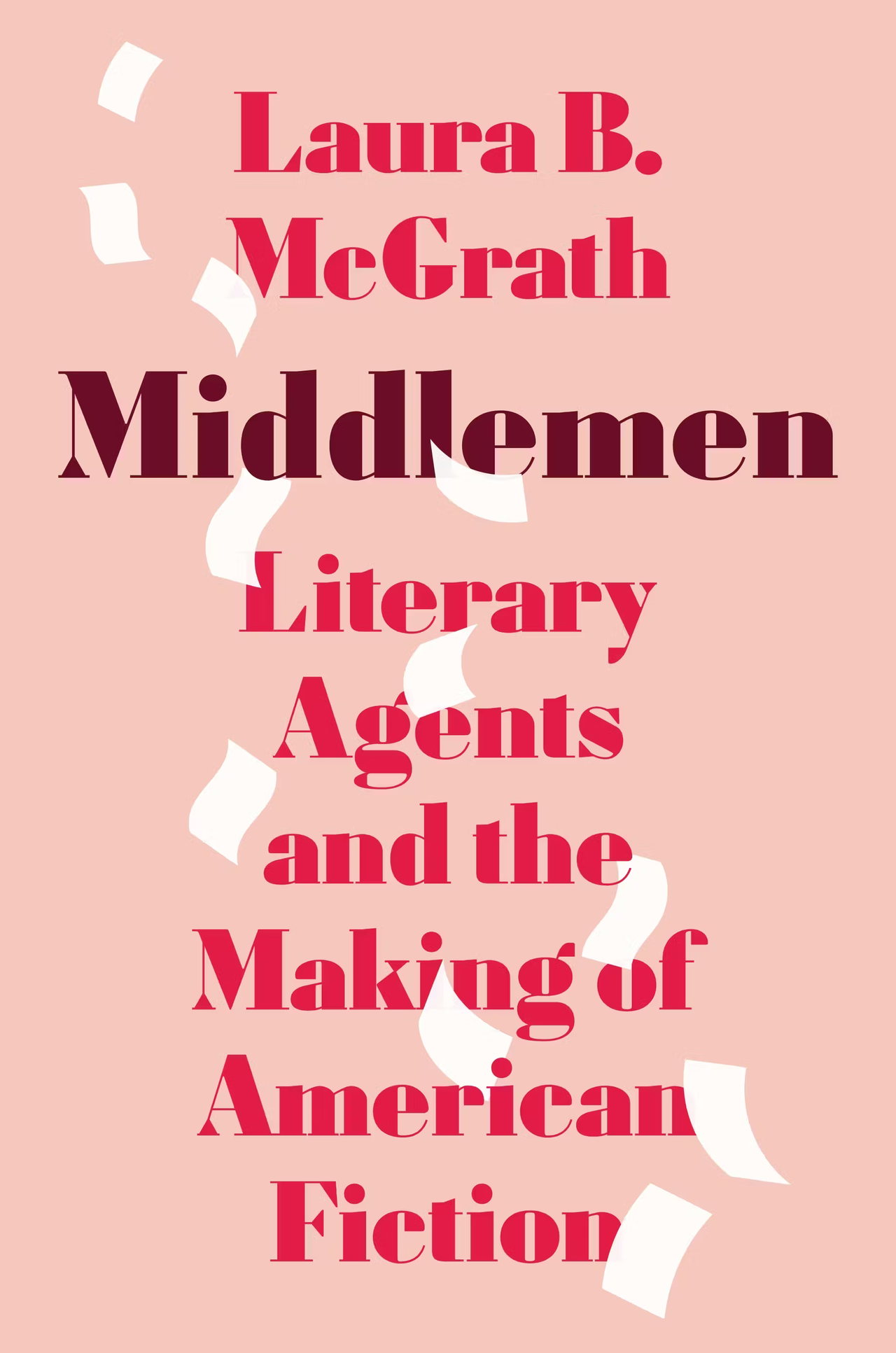
In her new book, Laura McGrath takes a closer look at the world of literary agents, the often-invisible figures who help shape authors’ careers, develop manuscripts, negotiate deals and influence which stories make it into the publishing pipeline. In this interview, McGrath talks about the changing role of literary agents, the relationship between authors, agents and publishers, and what her research reveals about the business behind books.

Published: 24.9.2026 | Photo: Magnific
Your book argues that literary agents have become some of the most influential gatekeepers in publishing. How has that role changed in an era of digital discovery, BookTok, and direct author-reader communication?
Digital discovery and online platforms like BookTok haven’t changed the role of the agent — but they do provide agents with more data, more cultural signals to consider. While even twenty years ago, an agent may have to rely on educated guesses about a book’s potential readership or an author’s ability to connect with her audience, an agent now can make very informed decisions because of all of this digital feedback. An agent doesn’t have to wonder what readers are looking for, because the readers of BookTok will tell her! Still, BookTokkers can clamber all they like; they can’t sell a book. We still need literary agents as gatekeepers.
One might assume that the rise of self-publishing would diminish the importance of literary agents. Why do you think this has not happened?
Right now, there are two models for self-published authors: either they market themselves within the self-publishing world and hope to be incredibly successful, or they build enough of an audience that they make the jump over to traditional publishing. Finding success along either of these paths is extremely difficult. Some very famous authors have taken the latter approach, including Andy Weir, E.L. James, Hugh Howey, and Colleen Hoover. If authors want to move to self-publishing, they need an agent. And while self-publishing may be pushing traditional publishing to change and adapt in some ways, it hasn’t eliminated or even demonstrably changed traditional publishing in a way that would diminish the importance of agents.
Frankfurt Book Fair remains the world's largest rights marketplace. From your perspective, what role does Frankfurt play today in shaping international publishing?
Book Fairs like Frankfurt (and London, and Bologna for Children’s Literature) are enormously consequential in the international publishing marketplace. FBF provides an opportunity for professionals to gather and build the sorts of out-of-office personal relationships that help the business of publishing run! And relationships matter as much internationally as they do nationally to ensure that a book is published in the best possible way and finding its best possible audience of readers. Because the book industry is so volatile and responsive to geopolitical crises — war, tariffs, pandemics — international book fairs like Frankfurt are important sites of learning and intelligence gathering, a place for professionals to take stock of the state of the trade around the world and get a sense of how their own domestic dealings may be impacted. And, importantly, Fairs like Frankfurt are also especially important for building a sense of literary-cultural identity and for creating the space for international cultural exchange through translation. They’re an opportunity for the global literary community to come together to listen and learn, as well as trade.
Your research focuses on American publishing history. Were there any developments in Europe or Germany that surprised you while researching the international agency business?
I haven’t done as much research into the development of the profession internationally, but I’m fortunate to be a part of a fantastic international research exchange that focuses on this history. This fall, we’ll be holding a summit at the Deutsches Literaturarchiv in Marbach to compare the histories of agenting in Germany, Italy, France, Sweden, Spain, and the US.
Germany still has many independent literary agencies working alongside large international firms. Do you expect the agency landscape to consolidate further over the next decade?
In the United States, the greatest pressure on the consolidation of agencies is Hollywood. Smaller boutique firms are being acquired up by multinational and global talent agencies who want to incorporate books as a part of their business model. This gives authors and their agents access to back-end synergy — meaning, it might make a literary adaptation or a book-to-screen deal run more smoothly and quickly. I suspect that this trend will continue in the U.S.
Rights trading has become much more data-driven. How important are market data, sales analytics, and digital audience signals for literary agents today compared with instinct and personal taste?
When BookScan was introduced in 2001, there was great fear in the industry that data would completely eliminate the need for individual taste in the marketplace — that it would be impossible for a non-bestseller to be published. I don’t think that’s true. Plenty of books are sold that don’t ever make a bestseller list. But I do think that data has helped — or, perhaps, forced — publishers to make hard decisions. Good taste matters significantly, but it can only go so far.
Audiobooks, podcasts, and film adaptations often become part of a project from the very beginning. Are literary agents evolving into broader intellectual property managers rather than simply book agents?
As the media landscape has become more and more complex, the work of the agent has, too. Books alone aren’t enough, but just one part of a complex media strategy. Some agencies have hired folks to work directly with digital media, directly with Hollywood scouts, or directly with podcasts. But many agencies still collaborate with “co-agents,” who are specialists in those media and can handle that component of the deal. Driving this evolution is the expectation for an author to develop a multimedia platform, to expand into various media and produce different types of content that can all cohere around a single promotional strategy. Agents today are always thinking about the different ways that their clients can expand their reach, which includes expanding media.
Artificial intelligence is beginning to affect almost every part of publishing. Do you see AI changing the work of literary agents — for example in manuscript evaluation, market analysis, or rights management — or is the business still fundamentally built on human relationships?
I don’t accept this either/or framing. The business is still fundamentally built on human relationships and AI will change the work of the literary agent. In fact, it is because publishing is so relational that the agent’s job will change. I suspect that it will fall to agents to ensure that manuscripts are human authored, and an agent’s abilities as a reader and critic will matter that much more. Moreover, an agent’s reputation is going to become much more important to acquiring editors and publishers: can this agent be trusted to bring in work that is not only good, but human? Can we trust this agent when she says she’s done due diligence and vetted a manuscript? The human relationships between agents and editors will become even more important than it currently is. Sure, agents will have a new kind of work to do, whether that’s ensuring that their clients are not using generative AI, ascertaining the degree of the AI use, or determining how best to document these practices. But, at the end of the day, the agent’s taste — and her word — are going to matter more than ever.
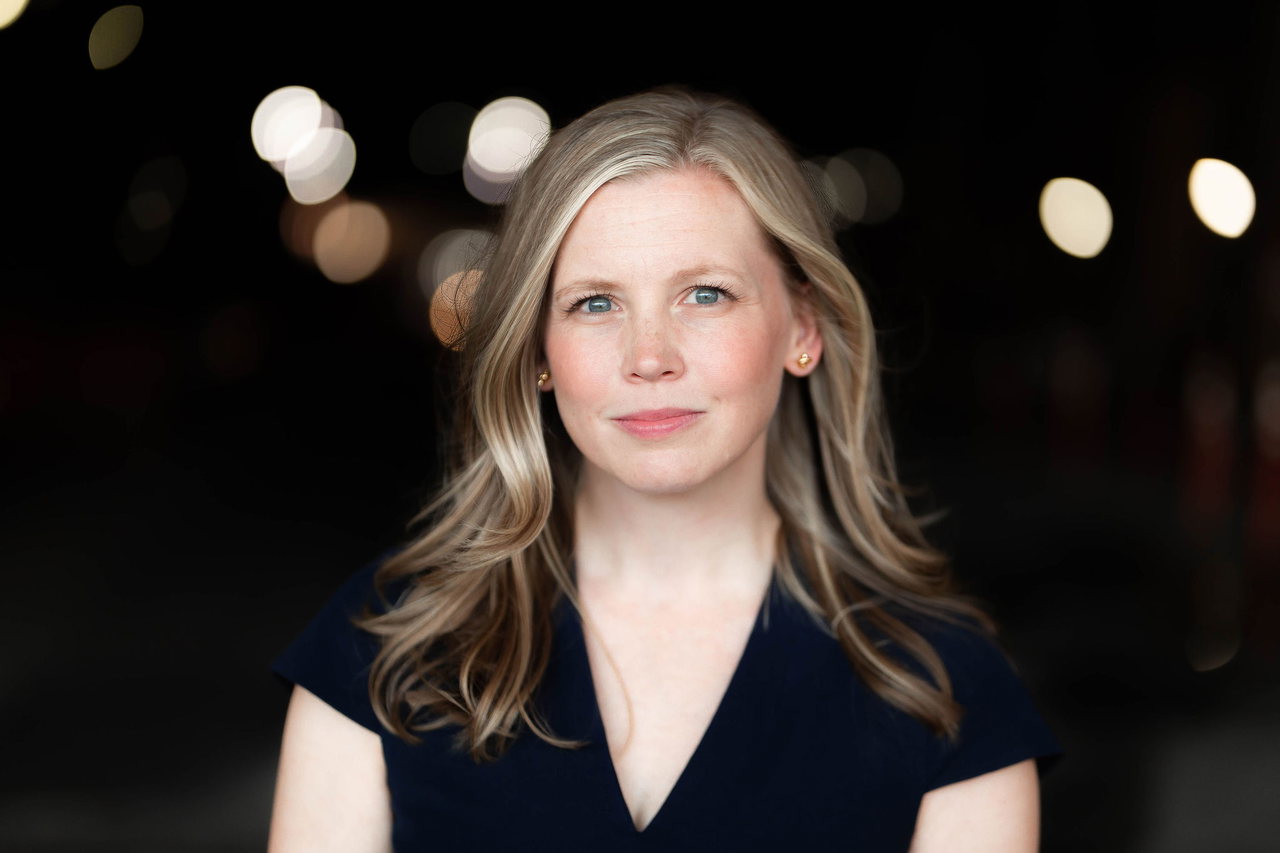
Laura B. McGrath is Assistant Professor of English at Temple University. She has written on books, publishing, and data for The Atlantic, The Nation, the Los Angeles Review of Books, and Public Books. Her first book, Middlemen: Literary Agents and the Making of American Fiction, was published by Princeton University Press and supported by the National Endowment for the Humanities. She lives in Philadelphia.